
A co-written blog by Corina Chiorean (InIm Institute) and Ale Massazza (Senior Policy and Advocacy Advisor, United for Global Mental Health)
Mihai is a young child living on the outskirts of Vicovu de Sus, a small rural village in Northern Romania. He started using social media to watch content on his passions, from football to gaming. However, he recently started receiving messages from some anonymous users making fun of his physical appearance. He thinks some of these messages may be coming from some class-mates that also bully him at school. This has made him feel increasingly self-conscious about the way he looks as well as making him feel sad and anxious. He now often doesn’t feel like going out anymore and has become increasingly withdrawn. Despite this issue being reported to the teachers by his parents, the teachers don’t really know how to handle the situation and how to support Mihai. Because of the high-level of stigma towards mental health problems in Romania, it is hard for Mihai to get the support he needs.
Mihai’s story is not unique. There are thousands of children and adolescents suffering because of bullying and cyberbullying in Romania. According to a survey conducted in 2023 by Save the Children Romania, approximately 50% of students are exposed to bullying, with 4 in 5 having witnessed bullying in their schools.
Bullying and cyberbullying can have serious impacts on the mental health of young people, with consequences that can often be long-lasting and impact a child’s life trajectory. Bullying can contribute to young people experiencing higher rates of common mental health problems, such as depression and anxiety and can also increase their risk of developing more severe mental health problems further in adulthood. This is likely to contribute to an already high burden of mental health problems among young people in Romania. According to UNICEF, approximately 1 in 10 adolescents in Romania lives with a mental disorder.
However, many young people experiencing poor mental health due to bullying and cyberbullying don’t get the support they need. Romania ranks among the top European countries in bullying prevalence, with one in three students reporting physical or psychological abuse in school. In Romania, bullying cases often go un-reported and when they do, teachers often do not have the resources to appropriately support students and there is a lack of specialized mental health professionals that can support students. Mental health support is significantly under-resourced in Romania (with only 3% of the health budget being devoted to mental health, significantly lower than the EU average of 7-8%).
La InIm Institute is changing this. Through support from Grands Défis Canada et Fondation Botnar as part of the Being Initiative, they are working on developing a robust framework for bullying and cyberbullying prevention in Romania by developing comprehensive guidelines and fostering stakeholders’ capacity. This approach will empower schools, educators, and communities to implement effective strategies, ultimately leading to a decrease in incidents of bullying.
As United for Global Mental Health, we are supporting InIm in their advocacy efforts to ensure that their work translates into long-lasting change at the political level. This month we organized a site visit to Romania to start laying the ground for their advocacy strategy.
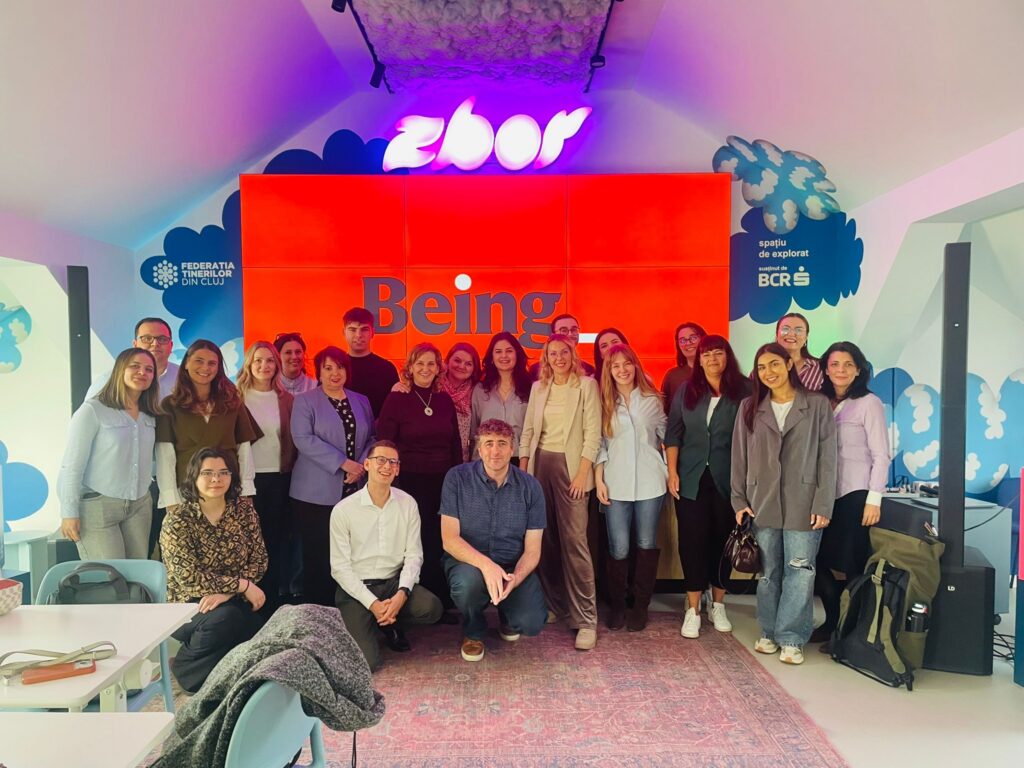
Through this visit, we learned how:
- InIm is already paving the way for successful policy engagement, having held in December 2025 the first ever event on youth mental health in the Romanian Senate, with many young people, as well as the Ministry of Education attending in person. InIm is currently planning follow-up events in Bucharest to sustain the momentum and ensure this increased attention translates into concrete commitments from the government on protecting the mental health of young people from bullying and cyberbullying.
- Addressing the mental health impact of bullying requires urgent cross-sector collaboration to bridge the gap between policy and practice . While laws against bullying exist, the issue often falls between the cracks of different Ministries, and educators feel inadequately prepared to handle cases . A collaborative approach is essential to foster stakeholders’ capacity, ultimately empowering schools and communities to turn written policies into effective, on-the-ground prevention strategies .
- Although things are improving in more developed areas of the country, mental health remains a highly stigmatized topic. This was perceived as being impacted by the heritage of the Communist regime in Romania (1947-1989) where mental health largely remained a taboo topic.
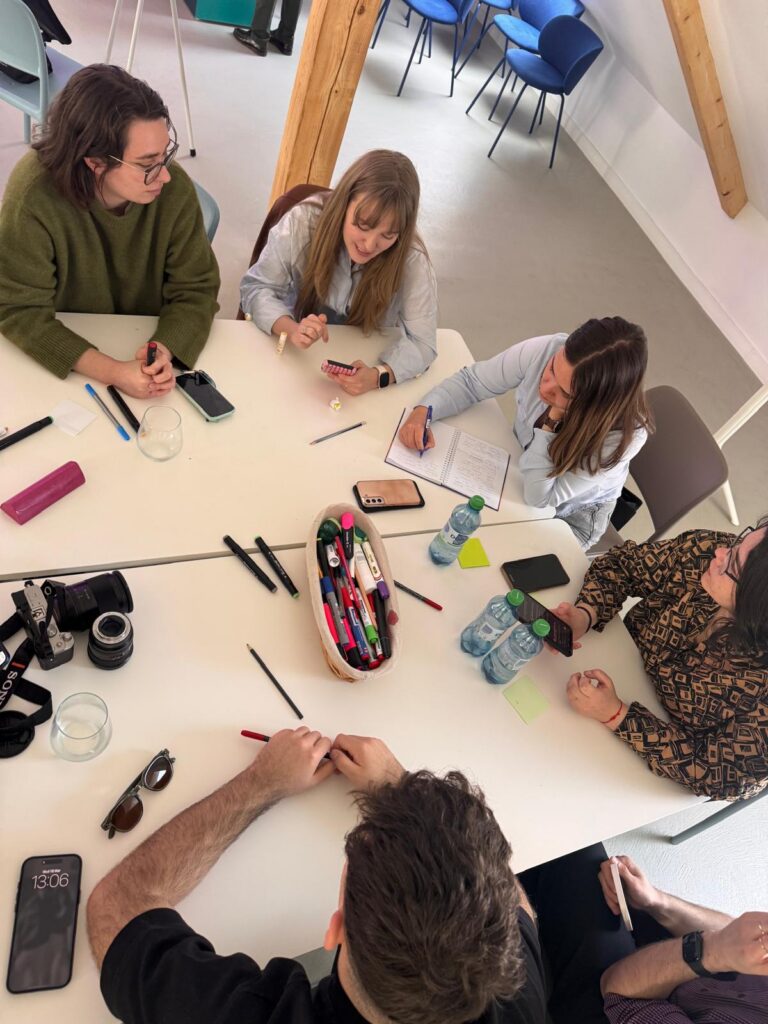
Moving forward, we will work with InIm to champion the cross-sector collaboration essential for bridging the gap between policy and practice, ensuring that existing laws are transformed into effective, on-the-ground prevention strategies to protect the mental well-being of the future generation of Romanians.